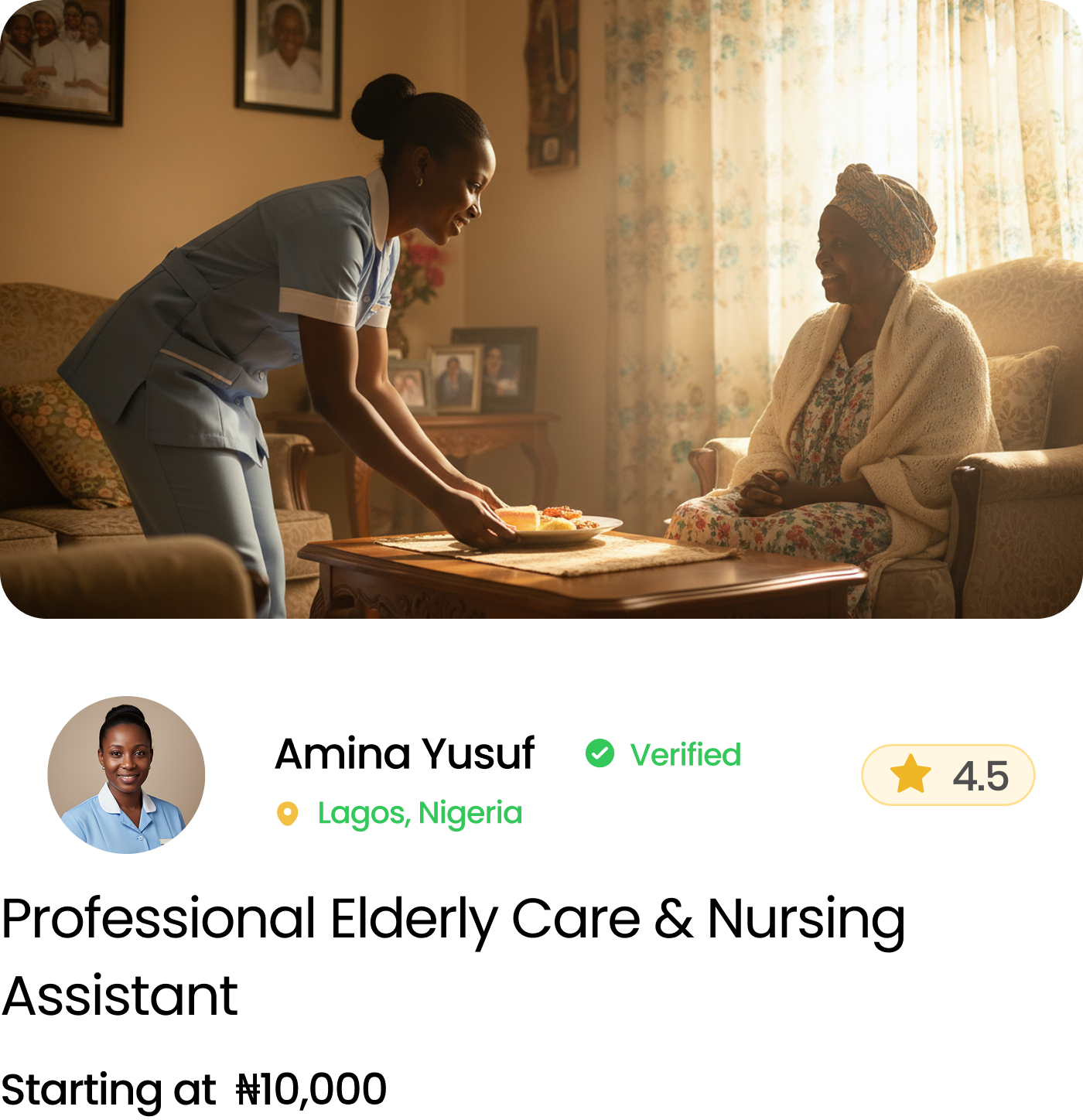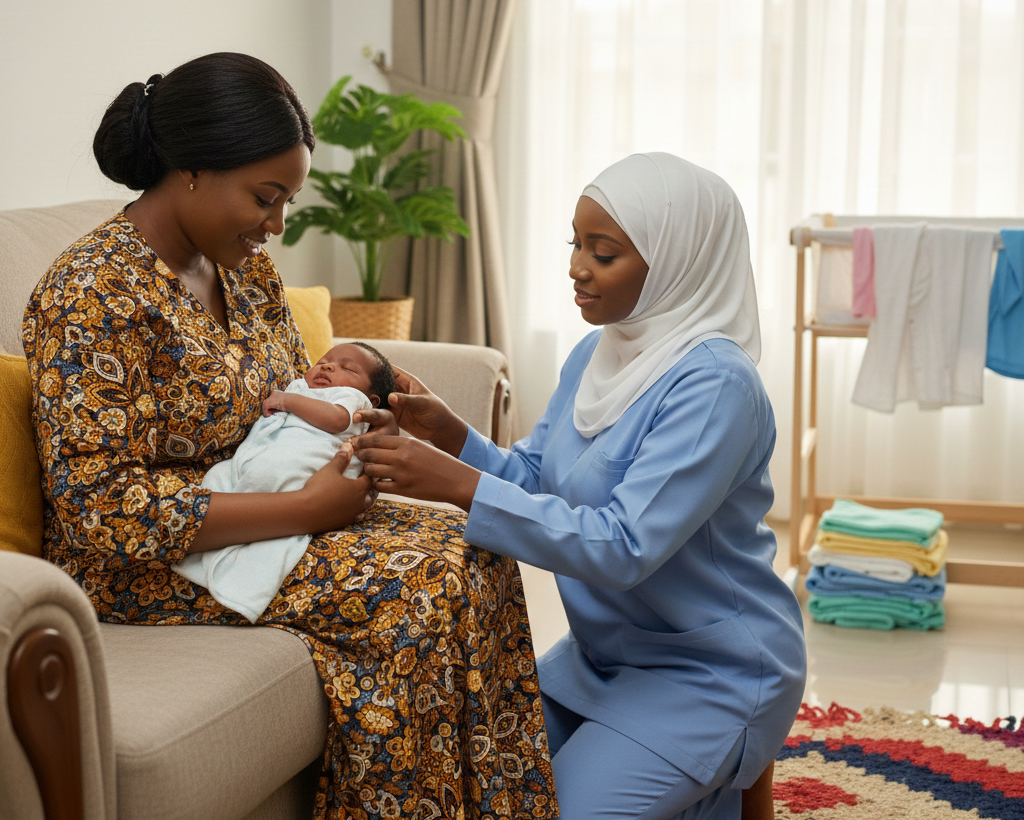
Hospitals treat.
Homes sustain.
Across Nigeria, a quiet shift is taking place in healthcare delivery. Advances in private healthcare, improved surgical capacity, and rising specialist clinics mean more patients are treated — and discharged — faster than before.
But discharge does not mean recovery is complete.
Increasingly, recovery continues at home.
And that is where home medical support becomes essential.
The Changing Healthcare Landscape in Nigeria
Nigeria’s healthcare system is evolving.
Private hospitals and specialist centers are expanding in cities like Lagos, Abuja, Ibadan, and Port Harcourt. Procedures that once required long inpatient stays are now followed by shorter admissions and earlier discharge.
At the same time:
- Chronic conditions such as hypertension and diabetes are rising.
- Post-operative recovery periods often extend several weeks.
- Elderly patients require closer monitoring.
- Families prefer home-based care where possible.
Medical supervision no longer ends at the hospital door.
It continues at home.
What Home Medical Support Includes
Home medical support refers to professional healthcare services delivered in a residential setting.
This may include:
- Nursing care
- Wound dressing
- Medication administration
- Vital signs monitoring
- Injection support
- Post-operative observation
Unlike general home care, this category requires clinical knowledge and professional experience.
It bridges the gap between hospital care and independent recovery.
For Families: Navigating Recovery with Confidence
For many Nigerian families, medical recovery at home can feel overwhelming.
Questions arise quickly:
- Are medications being taken correctly?
- Is the wound healing properly?
- What signs should we watch for?
- When should we call the doctor?
Without structured medical oversight, anxiety increases.
Family members — often without clinical training — become primary monitors of health status.
Professional home medical support reduces uncertainty.
It introduces:
- Routine health checks
- Clear documentation
- Structured communication
- Early detection of complications
This can significantly improve recovery outcomes.
The Economic Reality
Hospital stays are expensive. Extended admissions are often financially unsustainable for many households.
Home-based medical support offers:
- Reduced hospital costs
- Greater comfort
- Increased family involvement
- Flexible scheduling
It is not a replacement for hospitals. It is a continuation of care.
In a country where out-of-pocket healthcare spending remains high, structured home support can reduce long-term complications and readmissions.
For Medical Caregivers: Expanding Professional Pathways
Healthcare professionals in Nigeria — including nurses and trained assistants — are increasingly exploring home-based service delivery.
Home medical support allows professionals to:
- Provide focused, personalized care
- Build recurring client relationships
- Operate within flexible schedules
- Expand beyond institutional employment
However, professionalism in this space requires:
- Valid credentials
- Clinical competence
- Clear documentation
- Responsible communication with physicians and families
Home medical support is not casual caregiving. It is clinical responsibility delivered in a non-clinical setting.
The Trust Layer
When medical care enters the home, trust becomes paramount.
Families must feel assured that:
- The caregiver is properly trained
- Credentials are verified
- Clinical boundaries are respected
- Emergencies are handled appropriately
Historically, families relied heavily on hospital referrals or informal nurse recommendations.
As Nigeria’s digital service economy grows, expectations around verification and transparency are increasing.
CarePro operates within this shift by connecting families to vetted caregivers across medical and non-medical categories through structured digital coordination.
The emphasis is on suitability, verification, and accountability.
Chronic Disease and Long-Term Monitoring
Nigeria continues to experience rising rates of:
- Hypertension
- Diabetes
- Cardiovascular conditions
- Post-surgical complications
These conditions often require:
- Consistent medication adherence
- Routine monitoring
- Lifestyle adjustments
- Structured supervision
Home medical support becomes part of long-term management, not just short-term recovery.
As awareness increases, families are more proactive in seeking structured monitoring.
A Cultural Balance
In Nigeria, family members often feel responsible for managing medical care at home.
But professional support does not replace family involvement. It enhances it.
It allows relatives to focus on emotional support while trained professionals manage clinical routines.
This balance improves both health outcomes and household stability.
The Road Ahead
Home medical support in Nigeria is positioned for steady growth due to:
- Private healthcare expansion
- Shorter inpatient stays
- Rising chronic disease prevalence
- Increased awareness of preventive monitoring
As digital coordination improves, families will increasingly expect:
- Verified credentials
- Transparent scheduling
- Clear documentation
- Reliable communication
Medical care at home will become more structured — not improvised.
Call to Action
For Families
If you are coordinating medical recovery or chronic condition management at home, explore verified medical caregivers who can provide structured, professional support.
Create your CarePro account to begin.
For Medical Professionals
If you are a trained healthcare provider seeking to deliver home-based medical support within a structured system, build your verified profile and connect with families requiring clinical oversight.